Why Does The Back Of My Heel Hurt?
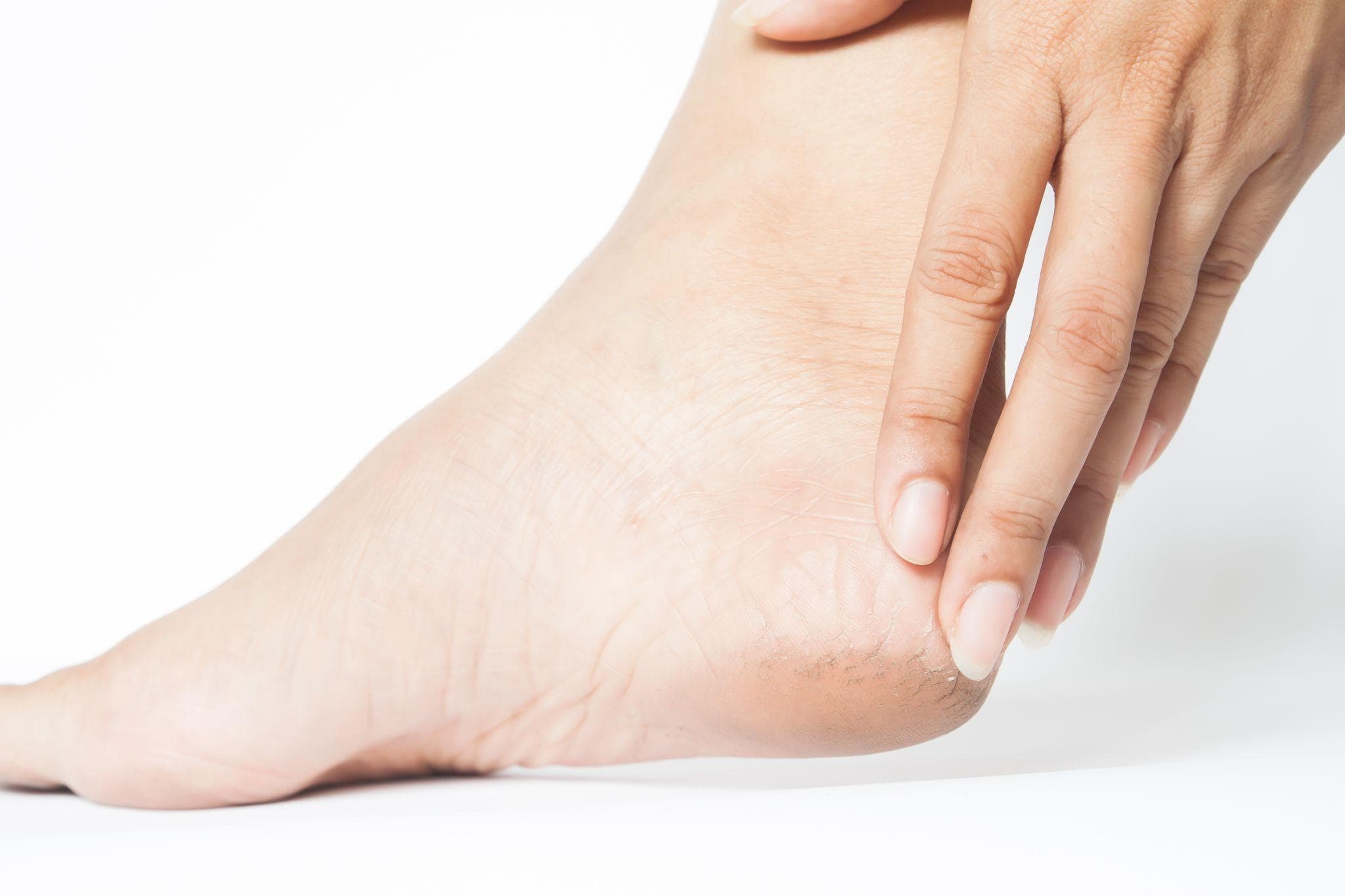
The back of the heel.
A lot of people don’t realize how common pain in the back of the heel is. Maybe it starts as a little ache, nothing serious, but then it lingers. Suddenly, walking, standing, or even slipping on the favourite shoes turns into a chore. Most people blame it on tired feet or bad shoes, but heel pain usually goes deeper, like the tendons, bones, or the soft tissue wrapped around them.
And this isn’t just an athlete’s problem. Office workers, older adults, and even active people who seem perfectly healthy can get hit with it.
Let's learn through this guide what really causes pain at the back of the heel, how one can treat it, and when it’s time to bring in an orthopedic or physiotherapy specialist.
Causes Of Pain At The Back Of The Heel
If you feel pain around your Achilles, there’s usually a reason, sometimes it’s stress, sometimes inflammation, or maybe just the way the foot’s built.
1. Achilles Tendinitis
The Achilles tendon becomes inflamed, typically due to excessive physical exertion, rapid increases in workout intensity, or overly tight calf muscles. The pain typically occurs first thing in the morning or after prolonged physical activity.
2. Retrocalcaneal Bursitis
There’s a tiny sac filled with fluid between the heel bone and the Achilles tendon. When the shoes are too tight or put too much pressure on the heel, that sac gets irritated. This results in pain and swelling right at the back of the heel.
3. Heel Spurs
Sometimes, little calcium deposits build up on the back of the heel bone. When one walks or wears stiff shoes, they dig in and hurt.
4. Haglund’s Deformity
This is a bony bump that forms at the back of the heel. It rubs against the shoes, which leads to redness, swelling, and all-around discomfort.
5. Improper Footwear
Shoes without enough support or cushioning make the heel and Achilles tendon work overtime. Do that long enough, and pain shows up.
6. Overuse Or Sudden Changes In Activity
If one is on their feet all day, walks or runs a lot, or suddenly cranks up their activity level, their heel pays the price. The area gets overloaded and starts to hurt.
Symptoms That Should Not Be Ignored
If the back of the heel hurts, pay attention to what the body’s telling you.
- Watch out for stiffness or aching near the heel, especially when one gets up after sitting.
- Swelling or redness around the Achilles is not a good sign.
- If it hurts to walk, climb stairs, or stand on the toes, then something’s up.
- If the pain keeps getting worse the more one moves, then it’s time to act.
Letting these symptoms slide can turn a simple problem into chronic pain or real tendon damage.
If one notices these symptoms and needs personalised care and expertise that leads to proper recovery, then book an appointment with Dr. Mayank Chauhan in Noida for amazing results.
How Heel Pain Is Diagnosed
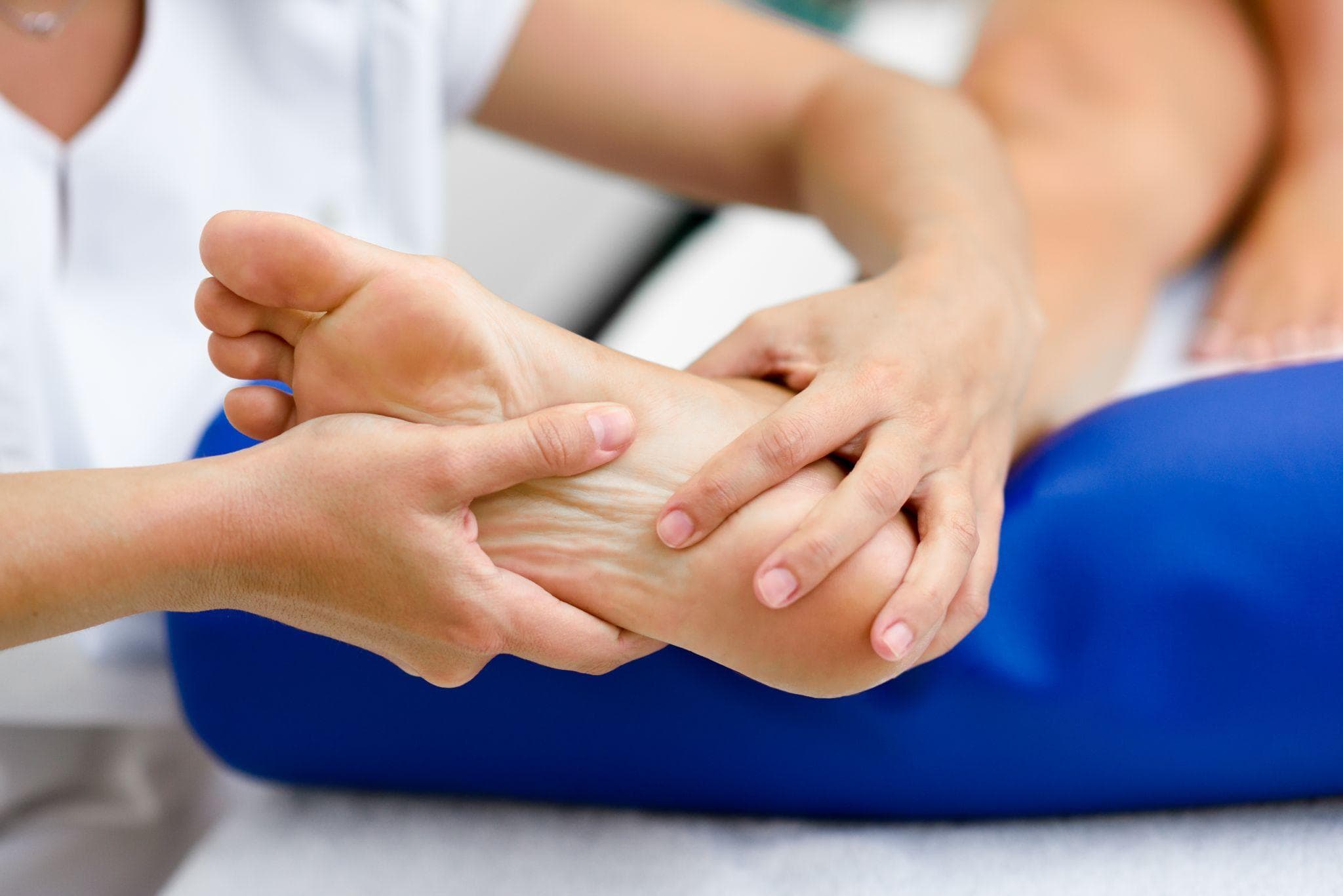
A doctor is treating the back of the heels of a patient.
Diagnosing heel pain starts with figuring out when the pain began, what one's day-to-day life looks like, and how they move.
- An orthopedic specialist usually takes a close look at how one walks and stands.
- They’ll check how flexible the ankle and calf are.
- They will press around the Achilles tendon and heel to spot any tenderness.
- Sometimes they’ll order an X-ray or ultrasound, but only if they need a clearer picture.
All this helps them get to the bottom of what’s going on and rule out anything serious.
Effective Treatments For Heel Pain
Treatments focus on reducing the pain, get patient moving again, and stopping it from coming back.
1. Physiotherapy
It goes after the real cause rather than covering the symptoms. Stretching, building strength, and getting the joints moving right takes pressure off the Achilles tendon and the heel.
2. Pain And Inflammation
Sometimes one needs a little extra help, like hands-on therapy, ice packs, or even things like an ultrasound and TENS. All this helps calm down the pain and swelling so one can get back on their feet.
3. Footwear And Orthotics
Don’t underestimate good shoes. Soft, cushioned soles or heel pads can take the edge off every step and help line the feet up the way they’re supposed to be.
4. Changing Routine
If one is pounding their heels every day, they are just making it worse. Cut back on the high-impact activities and give the feet a break. Rest really does help things heal.
5. Strengthening & Flexibility Training
Stronger calves and loose ankles mean less strain on the heel. This isn’t just about fixing the pain now, it’s about stopping it from coming back later. And these trainings help a lot with this goal.
When To See An Orthopedic Specialist

A doctor is examining the feet of a patient.
Think about seeing a specialist if the heel pain sticks around for more than a week or two. If walking hurts or feels unsteady, or if swelling and stiffness just keep getting worse, don’t wait it out. When pain starts messing with daily life, or no home remedies seem to help, it’s time to get some expert advice. The sooner one gets help, the faster one heals and will avoid bigger problems down the road.
Final Thoughts
Don’t brush off pain in the back of the heel. What feels like a small ache now can easily turn into something that hangs around for months if one just lets it slide. With the right diagnosis, some solid physiotherapy, and the right kind of support, one can get back to their routine without any lingering trouble.
For amazing expertise and care in this area, book an appointment with Dr. Mayank Chauhan in Noida. He focuses on real, personalized care like helping one recover from the pain, move freely again, and get back to living their life without worrying about the heel.