When Joints Wear Out: Managing Degenerative Tears from Age-Related Wear

An anatomical illustration depicting different types of knee meniscus tears with labels.
As the body ages, joints go through natural wear and tear. Over time, this can lead to degenerative tears, especially in areas like the knees, shoulders, and hips. Unlike sudden injuries, these tears develop slowly, often starting as mild discomfort and gradually turning into persistent pain or stiffness.
Many people assume joint pain is just a normal part of ageing, but that’s not entirely true. While ageing does increase the risk, proper care and timely treatment can significantly slow down the damage and improve the quality of life.
Degenerative tears don’t just affect movement; they also impact daily activities like walking, lifting, or even sitting comfortably. The good part is that with the right approach, including physiotherapy and medical care, one can manage symptoms effectively and stay active for longer. In this guide, let’s understand what degenerative tears are, why they happen, and how they can be managed effectively.
What Are Degenerative Tears?
Degenerative tears refer to the gradual breakdown of tissues like cartilage, tendons, or ligaments due to repeated use over time. These are not caused by a single injury but develop slowly as the joints experience continuous stress.
Common examples include meniscus tears in the knee, rotator cuff tears in the shoulder, and labral tears in the hip. These conditions are often linked to ageing, reduced flexibility, and long-term strain on the joints.
Why Do Degenerative Tears Happen?
As people age, the body’s ability to repair tissues slows down. Cartilage becomes thinner, tendons lose elasticity, and joints may not handle stress as efficiently as before. Several factors contribute to this condition:
- Age-Related Wear And Tear - Years of repetitive movement gradually weaken joint structures.
- Reduced Blood Supply To Tissues - Limited blood flow slows healing and increases vulnerability to damage.
- Poor Posture and Movement Patterns - Incorrect body mechanics put extra stress on certain joints.
- Previous Injuries - Old injuries can make joints more prone to degeneration over time.
- Lifestyle Factors - Lack of physical activity or excessive strain can both contribute to joint damage.
- Obesity or Excess Body Weight - Extra weight puts continuous pressure on weight-bearing joints like knees and hips, accelerating wear and tear.
- Muscle Weakness - Weak supporting muscles fail to stabilize joints properly, increasing stress on tendons and cartilage.
- Repetitive Occupational or Sports Stress - Jobs or activities involving repeated joint use (like lifting, kneeling, or overhead movements) can speed up tissue breakdown.
- Age-Related Muscle Loss (Sarcopenia) - Loss of muscle mass with ageing reduces joint support and increases the risk of degeneration.
- Joint Misalignment - Improper alignment of joints can lead to uneven load distribution, causing certain areas to wear out faster.
Common Symptoms Of Degenerative Tears
Degenerative tears often start subtly but worsen over time if not addressed.
- Persistent Joint Pain - Pain that increases with activity and improves with rest.
- Stiffness And Reduced Mobility - Difficulty moving the joint freely, especially after inactivity.
- Swelling Or Tenderness - Mild swelling may occur around the affected joint.
- Clicking Or Grinding Sensation - A feeling of instability or unusual sounds during movement.
- Weakness Around The Joint - Reduced strength makes daily activities more challenging.
Treatment Options For Degenerative Tears

Surgeons perform a procedure on a patient's knee in an operating room.
Treatment depends on the severity of the tear, symptoms, and overall joint health.
1. Physiotherapy
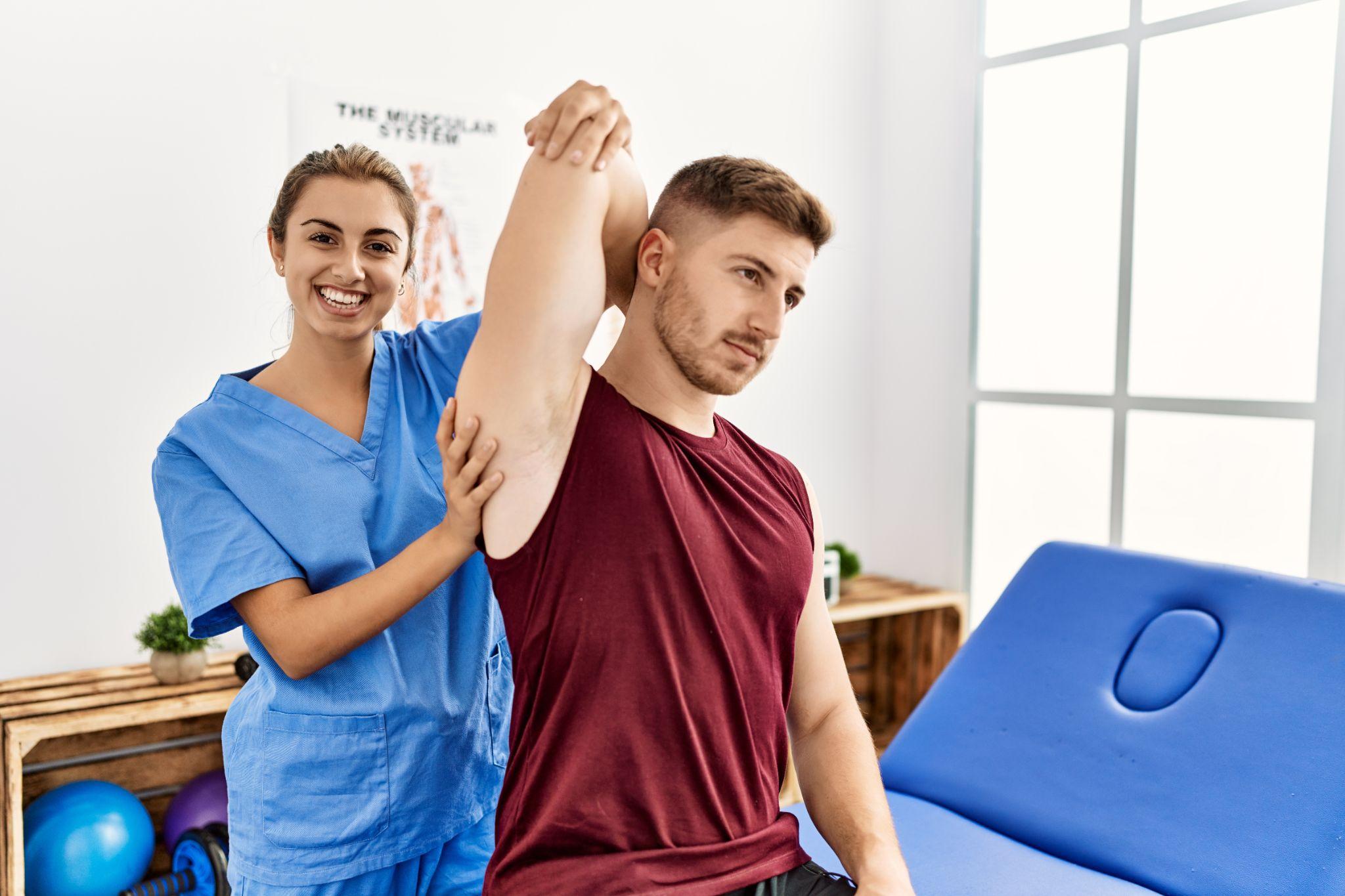
Strengthens the muscles around the joint, improves flexibility, and corrects movement patterns to reduce stress on the damaged area and prevent further wear.
2. Medications
Pain relievers and anti-inflammatory drugs help control discomfort and swelling, especially during flare-ups, making daily activities easier.
3. Lifestyle Modifications
Weight management, activity adjustments, and avoiding high-impact movements help reduce pressure on joints and slow down degeneration.
4. Bracing And Support
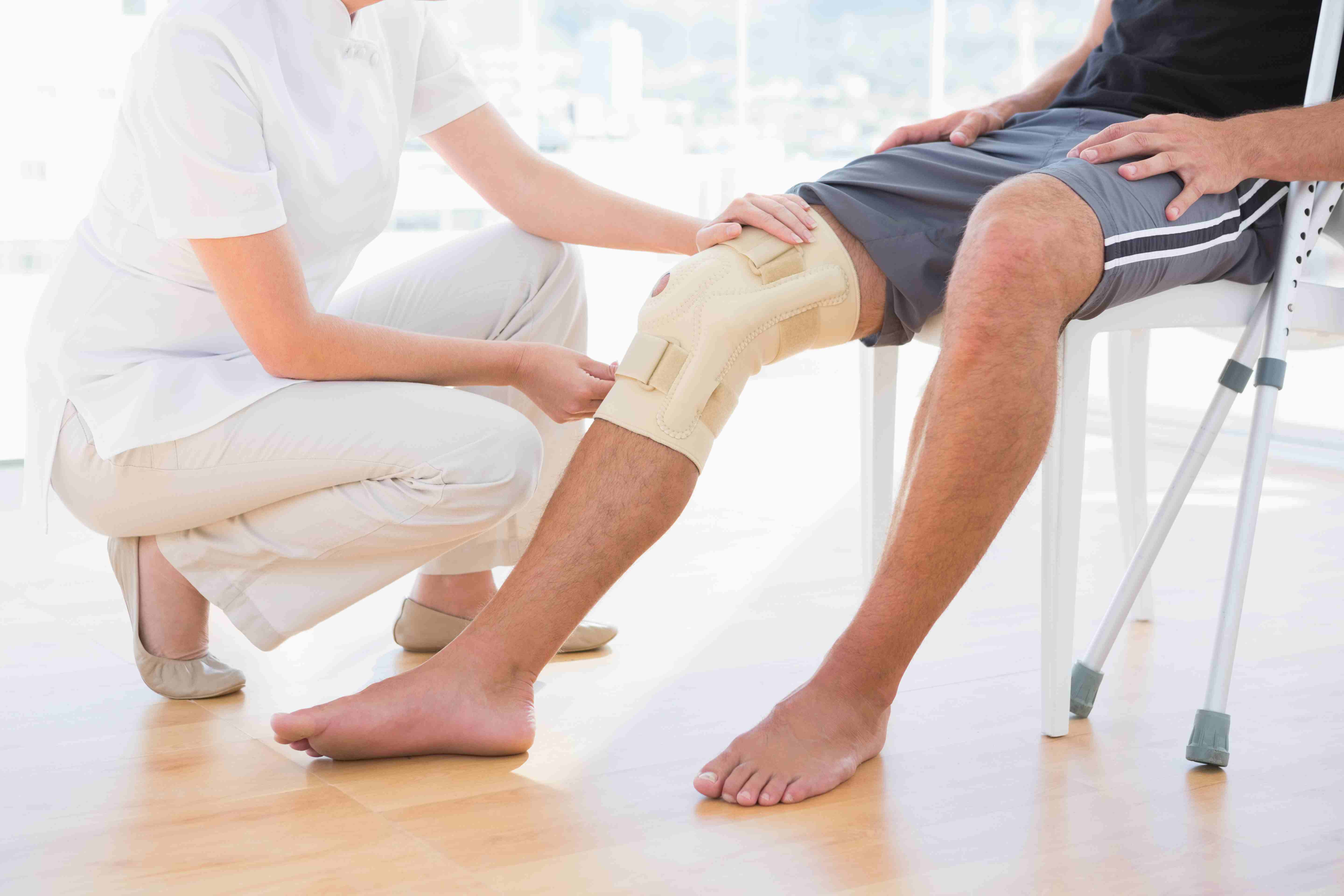
Supports the affected joint, improves alignment, and minimizes strain during movement, especially during physical activity.
5. PRP Therapy (Platelet-Rich Plasma)
Involves injecting concentrated platelets from the patient’s blood to promote natural healing and reduce inflammation in damaged tissues.
6. Stem Cell Therapy
An advanced treatment that aims to repair and regenerate damaged tissues, potentially improving joint function and delaying the need for surgery.
7. Arthroscopic Repair
A minimally invasive procedure where small instruments are used to repair or remove damaged tissue, leading to quicker recovery and less postoperative pain.
8. Joint Realignment Procedures
Surgical correction of bone alignment to distribute weight evenly across the joint, reducing stress on the damaged area.
9. Joint Replacement Surgery
Recommended in advanced cases where the joint is significantly worn out, the damaged joint is replaced with an artificial implant to restore mobility and relieve pain.
When To See An Orthopedic Specialist
Ignoring early symptoms can lead to worsening joint damage. It’s important to seek medical advice if:
- Persistent pain is often a sign of underlying degeneration.
- Difficulty in bending, lifting, or walking normally.
- A sense that the joint may give way during activity.
- Pain or stiffness interfering with routine tasks.
Preventing Further Joint Damage
While ageing cannot be stopped, joint damage can definitely be slowed down.
- Regular low-impact exercises keep joints healthy.
- Maintain proper posture, as it reduces unnecessary stress on joints.
- Strengthen supporting muscles as strong muscles protect and stabilise joints.
- Avoid overloading joints and balance activity with adequate rest.
Final Thoughts

An elderly man holds his neck in pain while standing against a blue background.
Degenerative tears are a common part of ageing, but they don’t have to limit one’s lifestyle. With early intervention, proper physiotherapy, and the right medical guidance, it is possible to manage symptoms effectively and maintain mobility.
Seeking timely care can make a significant difference. For personalised treatment and expert guidance, consulting Dr. Mayank Chauhan in Noida ensures a comprehensive approach focused on pain relief, improved joint function, and long-term recovery.
Frequently Asked Questions (FAQs)
Can degenerative tears heal without surgery?
Mild to moderate degenerative tears can often be managed with physiotherapy, medications, and lifestyle changes without surgery.
Which joints are most affected by degenerative tears?
Degenerative tears commonly affect the knees, shoulders, hips, and spine due to constant movement and load-bearing.
Are degenerative tears a normal part of ageing?
While common with ageing, degenerative tears are not inevitable and can be managed or delayed with proper care.
Is exercise safe with a degenerative tear?
Yes, low-impact and guided exercises can strengthen joints and reduce pain when done under professional supervision.