Slip Disc Treatment In Noida - Non-Surgical And Surgical Options At Prakash Hospital
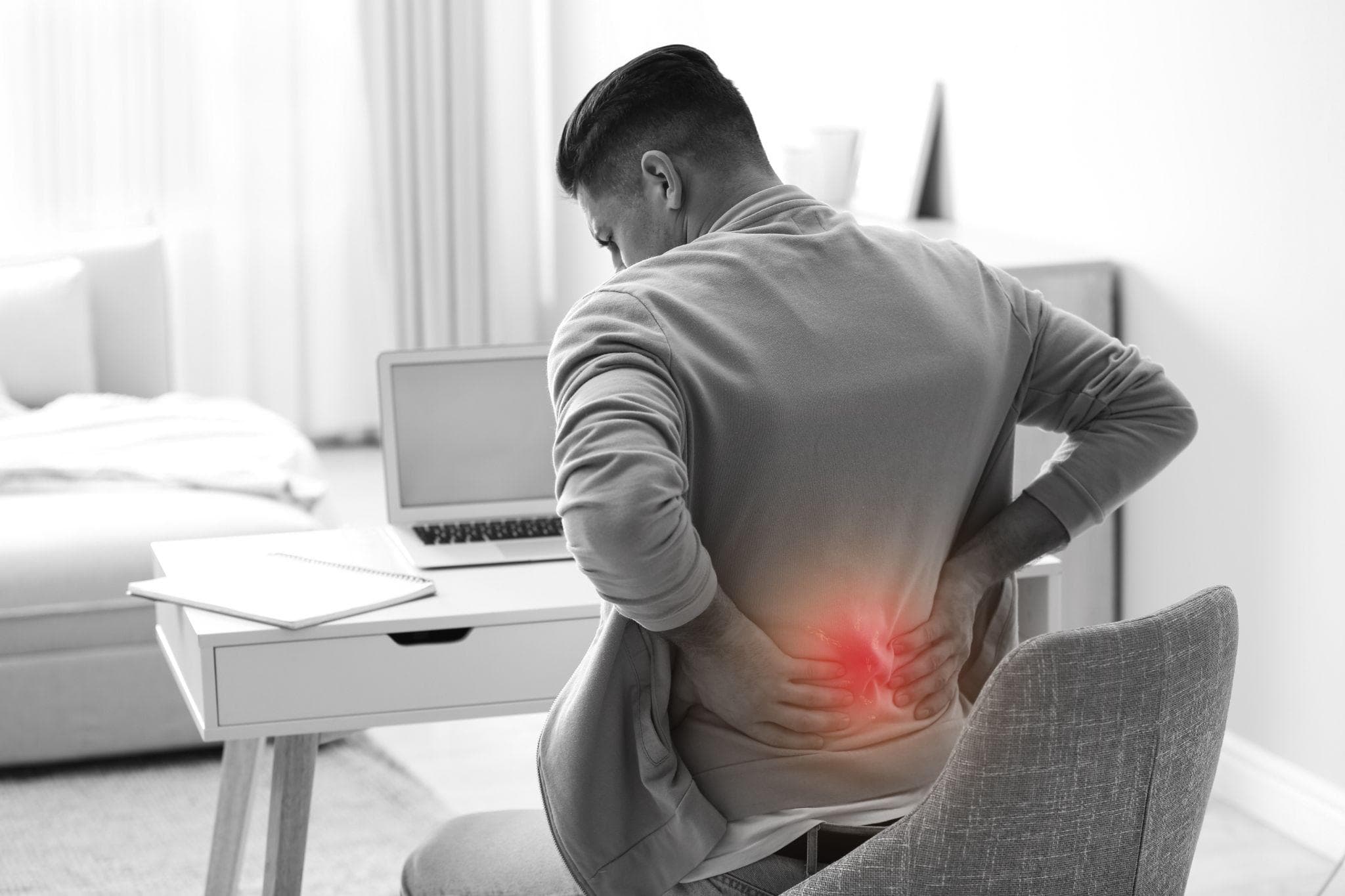
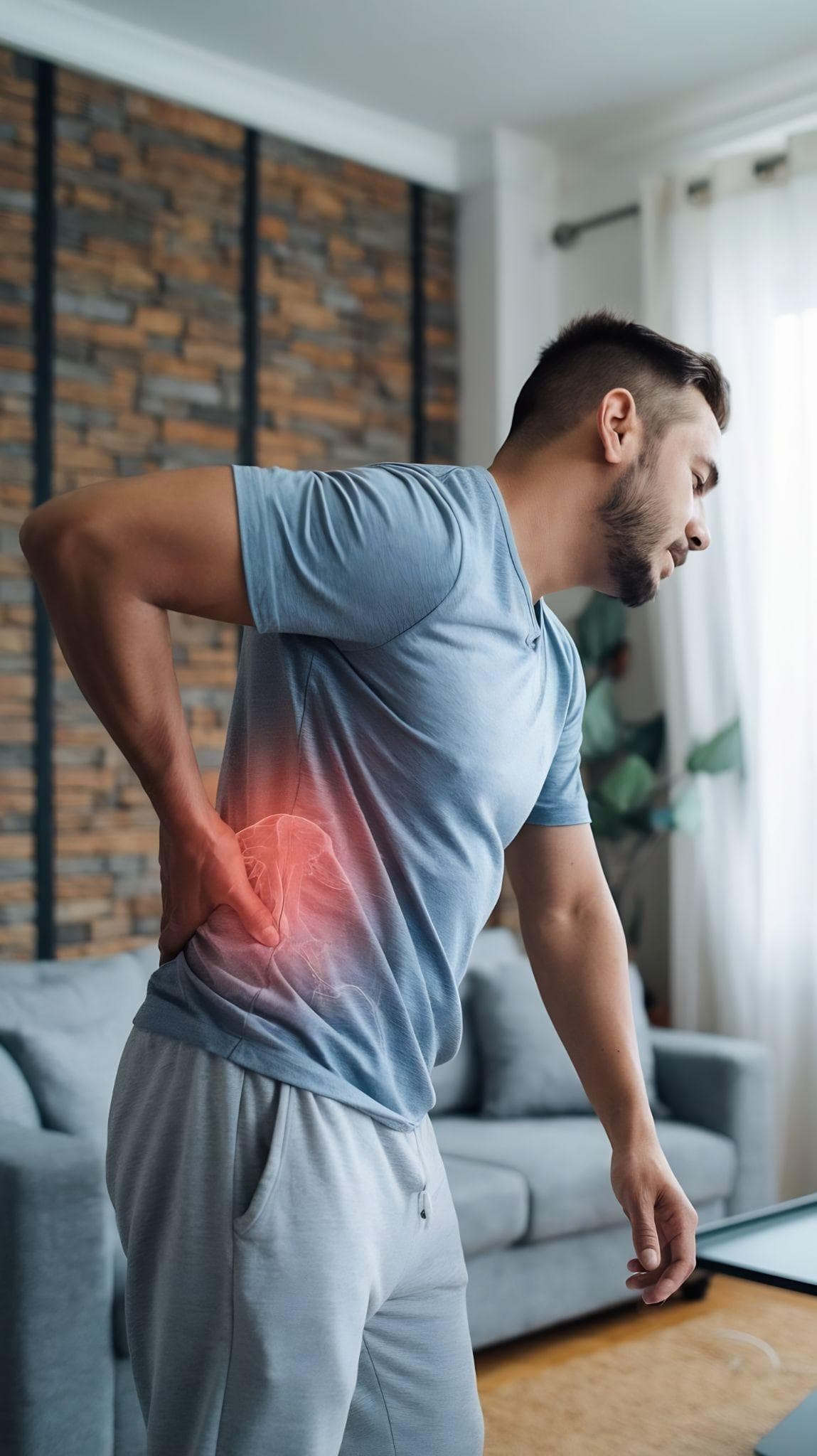
A man suffering from lower back pain while sitting, indicating slip disc due to poor posture.
Back pain is everywhere in Noida. The city's enormous working population sits for hours at software offices in Sectors 62 and 125, in call centres, in commuter traffic to Delhi, behind desks in government buildings. When that back pain starts radiating into the leg, or when numbness and tingling appear in the foot, the slipped disc question becomes unavoidable.
A slipped disc, medically called a herniated or prolapsed intervertebral disc (PIVD), is one of the most common diagnoses coming out of orthopedic consultations in Noida. It's also one of the most mismanaged. Some patients rest for weeks when they should be doing physiotherapy. Others take painkillers indefinitely when they need an imaging evaluation. And a smaller number get pushed toward surgery before conservative options have been properly tried.
This guide explains exactly what slipped disc treatment looks like in Noida, from the most conservative options all the way to surgery, and when each approach is appropriate.
A Quick Recap: What Is A Slipped Disc?
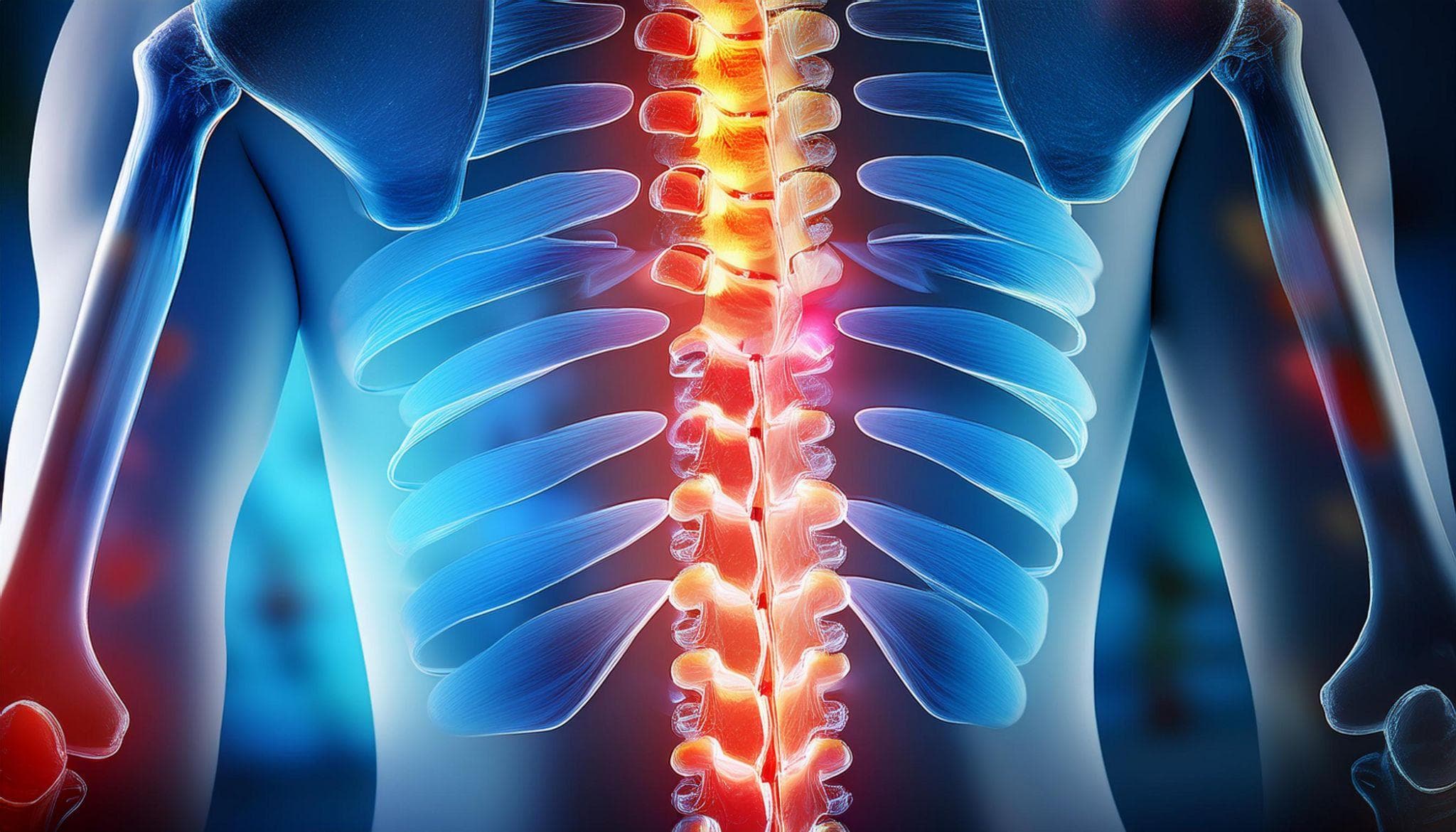
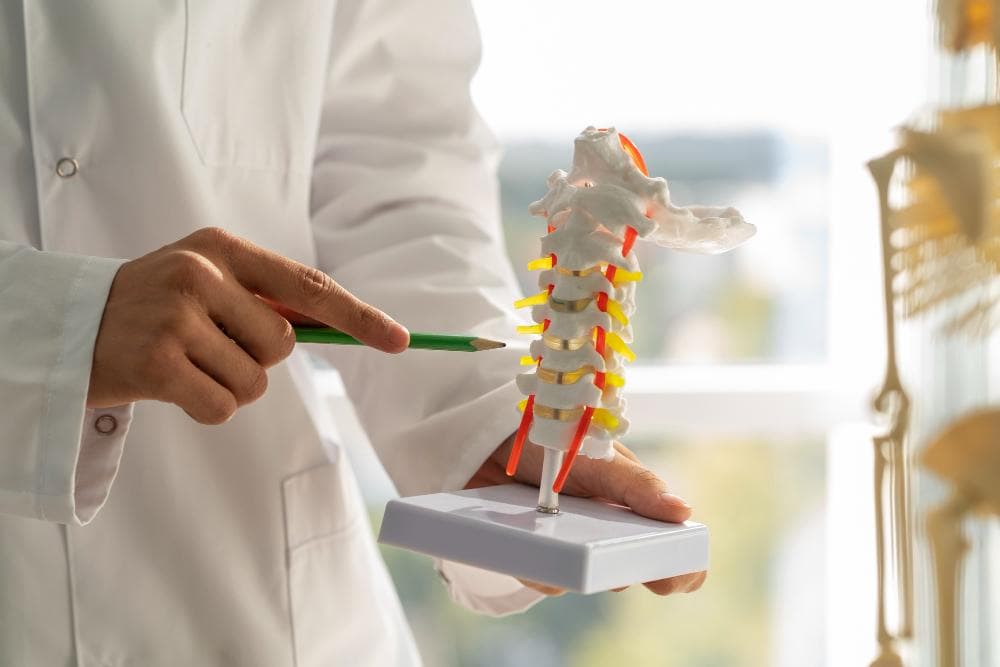
The spine is made up of vertebrae stacked on top of each other. Between each pair of vertebrae sits an intervertebral disc, a shock-absorbing cushion with a tough outer ring (annulus fibrosus) and a soft gel-like centre (nucleus pulposus).
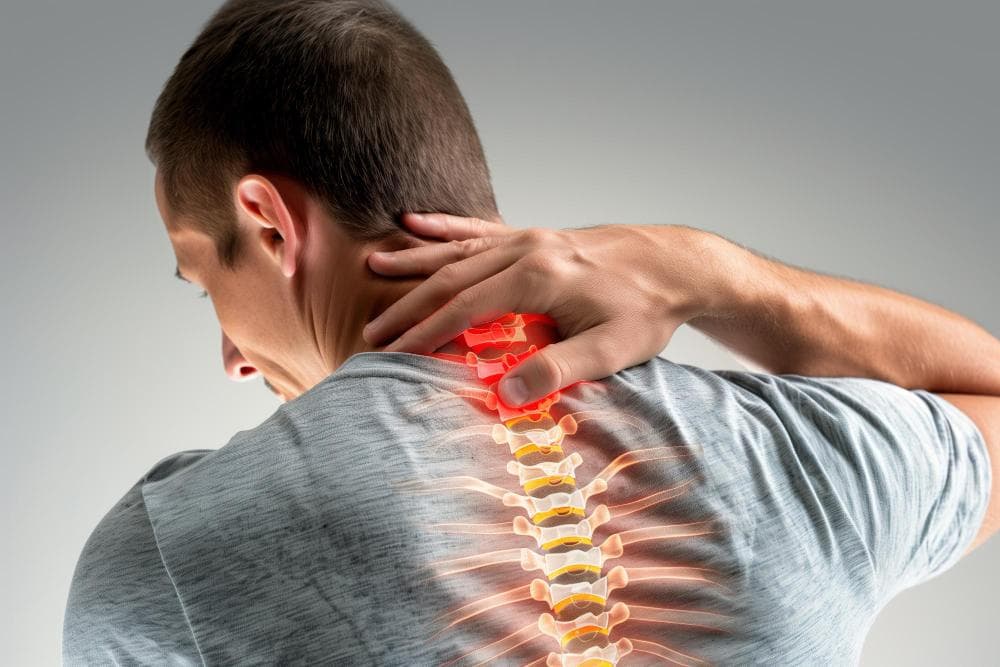
When the outer ring weakens or tears, the inner gel pushes through, pressing against the nearby spinal nerves. This nerve compression is what causes the characteristic symptoms: back pain, radiating leg pain (sciatica), numbness, tingling, and sometimes muscle weakness.
Most slipped discs occur in the lower back (lumbar spine), particularly at the L4-L5 and L5-S1 levels. Cervical disc herniation in the neck is the second most common location, causing arm and hand symptoms.
Noida and Delhi NCR's working population faces specific risk factors: prolonged sitting with poor posture, long commutes, sedentary lifestyles, and the occasional heavy lift done incorrectly. The result is a significant prevalence of lumbar disc herniation in working-age adults, increasingly in people in their 30s and 40s, not just the elderly.
Diagnosing Slip Disc In Noida - Getting It Right First
Before treatment can be appropriate, the diagnosis must be accurate. This involves:
Clinical examination: The orthopedic surgeon performs specific tests, such as the Straight Leg Raise (SLR) test, neurological assessment of reflexes, muscle strength, and sensation, to identify which nerve is being compressed and at which level.
MRI scan: The gold standard for slipped disc diagnosis. An MRI shows the disc herniation, the direction and size of the prolapse, and the degree of nerve compression. It is non-invasive and does not use radiation. Every patient suspected of having a clinically significant disc herniation should have an MRI before a treatment plan is finalised.
X-ray: Does not show discs directly but rules out other causes of back pain, such as fractures, tumours, or severe degeneration.
CT scan: Sometimes used when MRI is contraindicated or when bony detail needs assessment.
The combination of clinical examination and MRI findings guides the treatment decision. Not all disc herniations on MRI require treatment; many people have disc changes on MRI without symptoms. The clinical picture must match the imaging findings for the diagnosis to be meaningful.
The Treatment Ladder: Starting Conservative, Escalating When Needed
STEP 1 - Immediate Management (Week 1–2)
Modified activity, not bed rest: The old advice of strict bed rest for a slipped disc is outdated. Prolonged bed rest actually slows recovery and causes muscle deconditioning. The goal is modified activity, avoiding movements and positions that worsen the pain (typically forward bending and prolonged sitting) while remaining as mobile as possible.
For most patients, a 1-2 day period of relative rest during the most acute phase is acceptable. After that, gentle movement is encouraged.
Pain management:
- NSAIDs (ibuprofen, diclofenac, etoricoxib) - reduce inflammation around the compressed nerve and provide pain relief. Used at the lowest effective dose.
- Muscle relaxants (cyclobenzaprine, methocarbamol) - address the muscle spasm that accompanies disc herniation.
- Nerve pain medications (pregabalin, gabapentin) - specifically target the burning, electric, or shooting pain caused by nerve compression. More effective for neuropathic pain than standard painkillers.
- Short-course oral steroids - in cases of severe acute nerve compression, a 5–7 day course of oral prednisolone can reduce inflammation rapidly and provide significant short-term relief.
Ice and heat:
- Ice in the first 48-72 hours reduces acute inflammation.
- Heat after 72 hours relaxes muscle spasm and improves circulation.
STEP 2 - Physiotherapy (Week 2–8)
Physiotherapy is the cornerstone of non-surgical slipped disc treatment and produces the most durable results when done consistently and correctly. What a physiotherapy programme for slip disc includes:
McKenzie Method (Mechanical Diagnosis and Therapy): The most evidence-supported approach for lumbar disc herniation. The key principle is finding positions and movements, typically extension (backward bending), that "centralise" the pain, drawing it away from the leg and toward the back. As centralisation occurs, neurological symptoms reduce. A trained physiotherapist designs a programme around your specific pattern.
Core stabilisation exercises: The deep muscles of the trunk, particularly the transversus abdominis and multifidus, act as the natural corset of the spine. In patients with disc herniation, these muscles are often inhibited by pain and do not fire properly. Specific core stabilisation exercises retrain these muscles to protect the spine during daily activity.
Neural mobilisation (nerve gliding): Techniques that gently move the nerve through its pathway, reducing adhesions and improving nerve function. Particularly useful when leg pain and tingling are prominent features.
Posture and ergonomics education: Understanding how to sit, stand, lift, and sleep in ways that protect the disc and modifying workstation setups for desk workers in Noida's corporate sector is a critical part of treatment and prevention.
Traction: Mechanical lumbar traction gently pulls the spine apart, creating negative pressure inside the disc that may help draw herniated material back. Results vary, but some patients respond well, particularly with acute, large herniations.
What physiotherapy cannot do:
- Reverse structural disc changes are visible on MRI.
- Provide instant relief for severe nerve compression.
- Replace surgical intervention when neurological deficits are progressing.
STEP 3 - Injection Therapy (If Conservative Treatment Is Insufficient)
When medication and physiotherapy have been given a genuine trial (typically 4-6 weeks), and pain remains significant, injection therapy is the next step. This is not surgery; it is a targeted intervention that reduces inflammation at the nerve root and allows physiotherapy to be more effective.
Epidural Steroid Injection (ESI): A corticosteroid (most commonly methylprednisolone or triamcinolone) is injected into the epidural space, the area just outside the spinal canal, at the level of the disc herniation. This delivers anti-inflammatory medication directly to the compressed nerve root.
Types of ESI:
- Transforaminal ESI: The most targeted approach is to place the injection at the specific nerve root that is compressed. Done under fluoroscopic (X-ray) or CT guidance to ensure accuracy.
- Interlaminar ESI: Injection into the midline of the epidural space delivers medication to a wider area.
Response to ESI: Most patients experience significant relief within 1-2 weeks of the injection. The effect typically lasts 6-12 weeks, sometimes longer. This window allows more intensive physiotherapy. Some patients require 2-3 injections. ESI is not a cure; it doesn't reverse the disc herniation. But it provides the pain control necessary for the body's own healing processes and physiotherapy to work.
Facet joint injections: Used when the pain pattern suggests facet joint irritation alongside disc herniation, common in older patients with combined disc and facet joint degeneration.
When Is Surgery Needed?
doctor examining a patient’s back.
The vast majority of slipped disc cases estimates range from 80-90% improve with non-surgical management over 6-12 weeks. Surgery is genuinely needed for a minority of patients. Knowing when those criteria are met is critical.
1. Absolute Indications For Surgery (Don't Wait)
Cauda Equina Syndrome: Loss of bladder or bowel control (difficulty urinating, urinary retention, or faecal incontinence) combined with back and leg pain. This is a surgical emergency, a large disc herniation compressing the cauda equina nerve bundle. Surgery within hours to a few days significantly affects long-term outcome. If you or a family member has these symptoms, go to an emergency department immediately.
Progressive neurological deficit: Rapidly worsening weakness in the leg or foot, particularly "foot drop" (inability to lift the front of the foot), which indicates significant motor nerve damage. If weakness is progressing, waiting for conservative treatment to work risks permanent nerve damage.
2. Relative Indications for Surgery
Failure of adequate conservative treatment: When 6-8 weeks of consistent physiotherapy, medication, and injections have not produced sufficient improvement, and the patient's quality of life remains significantly impaired.
Severe, uncontrolled pain: In some patients, pain levels are so extreme that sleep, daily function, and basic mobility are impossible despite all conservative measures. Surgery is appropriate to prevent the severe psychological and physical consequences of prolonged, uncontrolled pain.
Recurrent disabling episodes: Patients who have had multiple episodes of severe disc-related pain and have been unable to maintain function between episodes may benefit from surgical stabilisation.
Surgical Options For Slip Disc In Noida
Advanced surgical options for slipped discs in Noida are designed to relieve nerve pressure, reduce pain, and restore spinal function with improved precision and recovery outcomes.
1. Microdiscectomy (Minimally Invasive Disc Surgery)
The gold standard surgical treatment for lumbar disc herniation. Through a small incision (2-3 cm) in the back, the surgeon uses a microscope or magnifying loupes to precisely remove only the herniated disc fragment that is pressing on the nerve. The rest of the disc is left intact.
Outcomes: Success rates are consistently high, 85-95% of patients report significant relief of leg pain after microdiscectomy. Recovery is faster than open surgery; most patients walk the same day, and the hospital stay is 1-2 days. Return to desk work is typically possible within 2-4 weeks.
What it doesn't do: Microdiscectomy removes the herniated fragment. It doesn't cure the disc or prevent recurrence of herniation. Approximately 5-10% of patients experience a recurrent herniation within a few years, which is why post-operative physiotherapy and lifestyle modification remain essential.
2. Minimally Invasive Lumbar Discectomy
Similar to microdiscectomy but performed through even smaller incisions using specialised tubular retractors. Less disruption of the surrounding muscles. Particularly suitable for certain types of disc herniation and certain patient anatomies.
3. Endoscopic Discectomy
A newer technique where a thin endoscope (camera) is inserted through a very small incision or through the skin. Performed under local or sedation anaesthesia in some cases. Recovery is among the fastest of any disc surgery; some patients go home the same day.
4. Anterior Cervical Discectomy And Fusion (ACDF) - For Cervical Disc Herniation
For neck disc herniation causing arm pain and neurological symptoms, the standard surgical approach is ACDF, in which the herniated disc is removed through the front of the neck, and the vertebrae above and below are fused using a bone graft and a titanium plate. Highly successful operation with very good outcomes for arm pain and neurological recovery.
5. Cervical Disc Replacement (Arthroplasty)
An alternative to fusion for cervical disc herniation is that the damaged disc is removed and replaced with an artificial disc that preserves movement at that level. Suitable for younger, active patients where preserving neck mobility is a priority.
Slip Disc Treatment In Noida - Dr. Mayank Chauhan At Prakash Hospital
Dr. Mayank Chauhan, Senior Orthopedic Surgeon at Prakash Hospital, Sector 33, Noida, manages slip disc cases at every level of severity from acute disc herniation requiring initial medical management through to surgical cases requiring microdiscectomy or cervical surgery.
His approach follows the evidence: conservative management first, escalate only when indicated, and never recommend surgery without a clear clinical and imaging rationale. Patients from Noida's corporate sectors, Greater Noida, Ghaziabad, and across Delhi NCR come to Prakash Hospital for slipped disc evaluation and treatment.
The clinic is located at Prakash Hospital, Sector 33, Noida, near the ISKCON Temple, and is accessible from all major Noida sectors and from Greater Noida via the expressway.
Consultation timings: Monday to Saturday, 10 AM to 8 PM | Sunday, 10 AM to 2 PM.
To book a consultation with Dr. Mayank Chauhan, call the number listed on the website.
Preventing Recurrence After Slipped Disc
Whether treatment was non-surgical or surgical, preventing recurrence is essential. The disc that has herniated once is structurally vulnerable. The following measures significantly reduce the risk of a repeat episode:
- Core strengthening: Continued long after pain has resolved. Strong core muscles protect the disc from future stress.
- Posture correction: Sitting, standing, lifting the right way, consistently.
- Weight management: Reducing load on the spine reduces disc stress.
- Ergonomic workspace: Desk height, chair support, and monitor position all matter for someone spending 8+ hours a day seated.
- Movement breaks: Standing and walking for 5 minutes every 45–60 minutes of sitting dramatically reduces cumulative disc load.
- Avoiding sudden heavy lifts: Particularly from a bent-forward position.
The Bottom Line

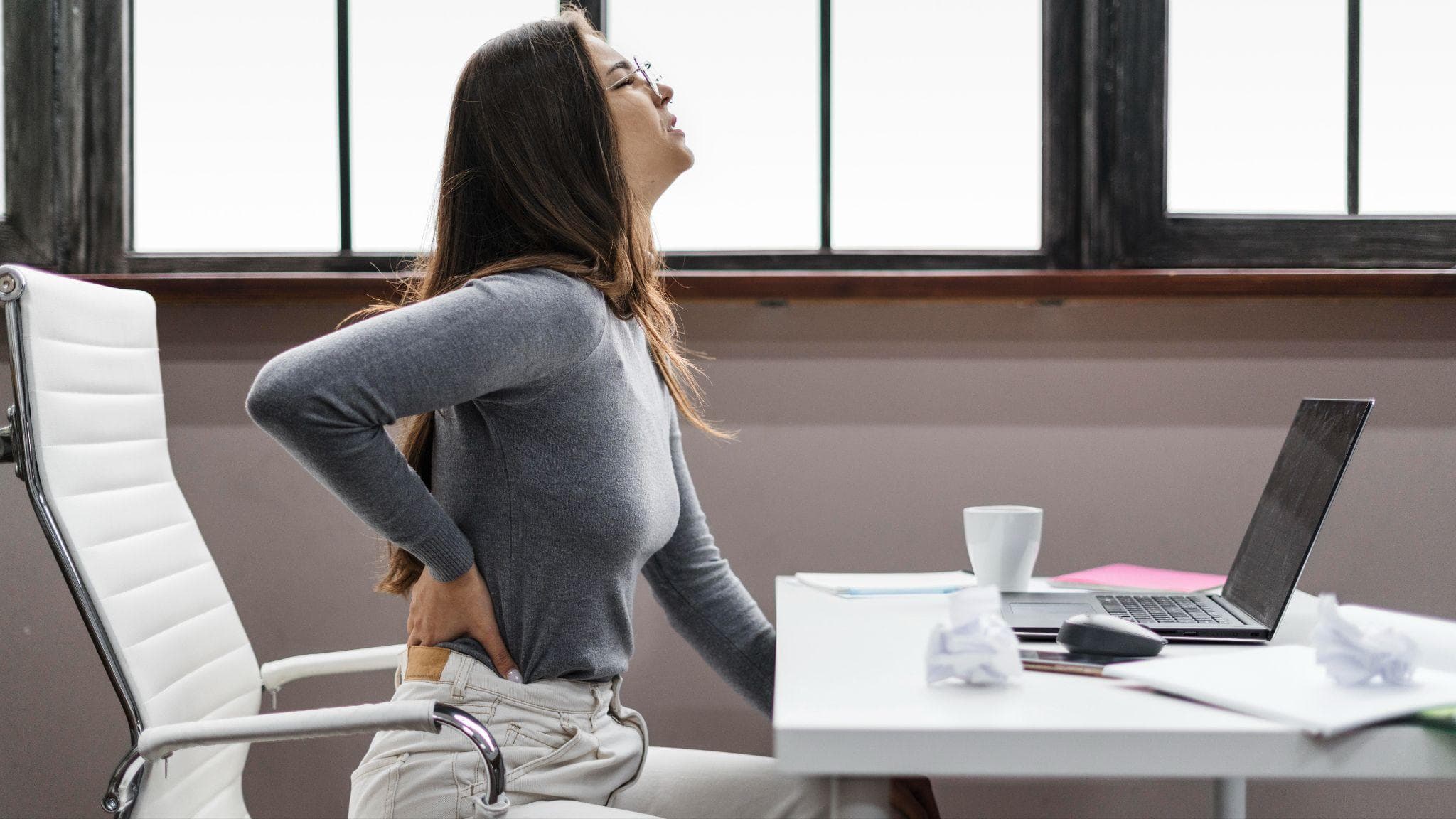
A woman working at a desk leans back in discomfort, holding her lower back due to pain. The scene reflects posture-related back issues commonly caused by long hours of sitting.
Slipped disc in Noida is common. It is also, in the vast majority of cases, treatable without surgery with the right combination of medication, physiotherapy, and injection therapy. The key is getting a proper diagnosis, starting the right treatment promptly, and being consistent with rehabilitation.
For the minority of patients who genuinely need surgery, modern techniques like microdiscectomy offer excellent outcomes with rapid recovery and minimal disruption to life. Don't self-manage back pain indefinitely with painkillers and hope. Don't accept numbness or weakness in your leg as something to live with. Get a proper evaluation.
To book a slipped disc consultation with Dr. Mayank Chauhan, Senior Orthopedic Surgeon at Prakash Hospital, Sector 33, Noida, call the number listed on the website.