Computer-Assisted Surgery: The Future Of Precision In Healthcare

A healthcare worker reviews information on a tablet in a medical environment.
People often think surgery depends only on a surgeon’s skill, but modern medicine has taken it a step further. Computer-assisted surgery (CAS) is transforming how procedures are performed by combining medical expertise with advanced technology. It’s not just about operating anymore; it’s about doing it with unmatched precision and control.
From joint replacements to complex spinal procedures, this technology helps surgeons plan better, operate more accurately, and reduce the chances of complications. Patients benefit from smaller incisions, faster recovery, and improved outcomes.
Instead of relying solely on traditional methods, computer-assisted systems guide surgeons in real-time, making procedures safer and more efficient. Whether it’s improving implant positioning or minimizing tissue damage, CAS is shaping the future of surgery.
In this guide, let’s explore what computer-assisted surgery is, how it works, and when it’s the right option to consider with an orthopedic specialist.
What Is Computer-Assisted Surgery?
Computer-assisted surgery is a modern surgical technique that uses advanced imaging, software, and tracking systems to guide surgeons during procedures. It acts like a highly precise navigation system inside the operating room.
By creating a detailed 3D model of the patient’s anatomy, surgeons can plan every step before the procedure even begins. During surgery, the system provides real-time feedback, helping them stay accurate and avoid critical structures. The goal is simple: improve precision, enhance safety, and deliver better long-term results for patients.
How Computer-Assisted Surgery Works?
The process starts well before the surgery. Detailed imaging, such as CT scans or MRIs, is used to map the patient’s anatomy. This data is then converted into a digital model.
During the procedure, special sensors and cameras track surgical instruments and the patient’s body in real time. A computer screen displays this information, guiding the surgeon with high accuracy. This allows:
- Better alignment in joint replacements
- Precise removal of damaged tissue
- Accurate placement of implants
To ensure the best results, consulting an experienced orthopedic specialist like Dr. Mayank Chauhan in Noida can help patients understand if this advanced approach is suitable for their condition.
Key Benefits Of Computer-Assisted Surgery
Computer-assisted surgery offers significant advantages over traditional surgical methods, especially in complex procedures.
1. Higher Surgical Precision
CAS allows surgeons to operate with extreme accuracy, reducing the margin of error and improving outcomes.
2. Minimally Invasive Approach
Smaller incisions mean less damage to surrounding tissues, leading to reduced pain and quicker healing.
3. Faster Recovery
Patients often experience shorter hospital stays and return to normal activities sooner.
4. Reduced Risk Of Complications
With better planning and real-time guidance, the chances of surgical errors and complications are lower.
5. Improved Implant Positioning
In procedures like knee or hip replacements, proper alignment increases the lifespan of implants.
6. Better Long-Term Results
Accurate surgery leads to improved function, mobility, and overall quality of life.
Procedures Commonly Using Computer-Assisted Surgery

A healthcare worker adjusts a medical monitor in an operating room.
This technology is widely used across different medical specialties, especially in orthopedics.
1. Joint Replacement Surgeries
Ensures precise placement of implants in knee and hip replacements for better durability.
2. Spine Surgery
Helps in the accurate alignment and placement of screws, reducing risks in delicate spinal procedures.
3. Sports Injury Surgeries
Used in ligament reconstruction and arthroscopy to improve precision and recovery outcomes.
4. Trauma And Fracture Surgery
Assists in restoring proper bone alignment after complex fractures.
5. Tumor Removal Surgeries
Allows precise targeting of abnormal tissue while preserving healthy structures.
Technologies Used In Computer-Assisted Surgery
CAS combines multiple advanced tools to support surgeons during procedures.
1. 3D Imaging And Navigation Systems
Create detailed anatomical maps and guide surgical movements in real time.
2. Robotic-Assisted Surgery
Robotic arms assist surgeons in performing highly precise movements with enhanced control.
3. Surgical Planning Software
Allows surgeons to simulate procedures and plan every step before entering the operating room.
4. Tracking Systems And Sensors
Monitor instrument movement and patient positioning throughout the surgery.
When To Consider Computer-Assisted Surgery?
Not every surgery requires CAS, but in certain situations, it can make a significant difference.
- Complex Or High-Risk Procedures - When precision is critical, such as in spine or joint surgeries.
- Revision Surgeries - Correcting previous surgical outcomes requires higher accuracy.
- Severe Joint Damage or Deformities - Advanced technology helps achieve better alignment and function.
- Need for Faster Recovery - Ideal for patients looking to minimize downtime and return to daily life quickly.
- Long-Term Implant Success - When proper positioning is essential for durability and performance.
Computer-Assisted Surgery Vs Traditional Surgery

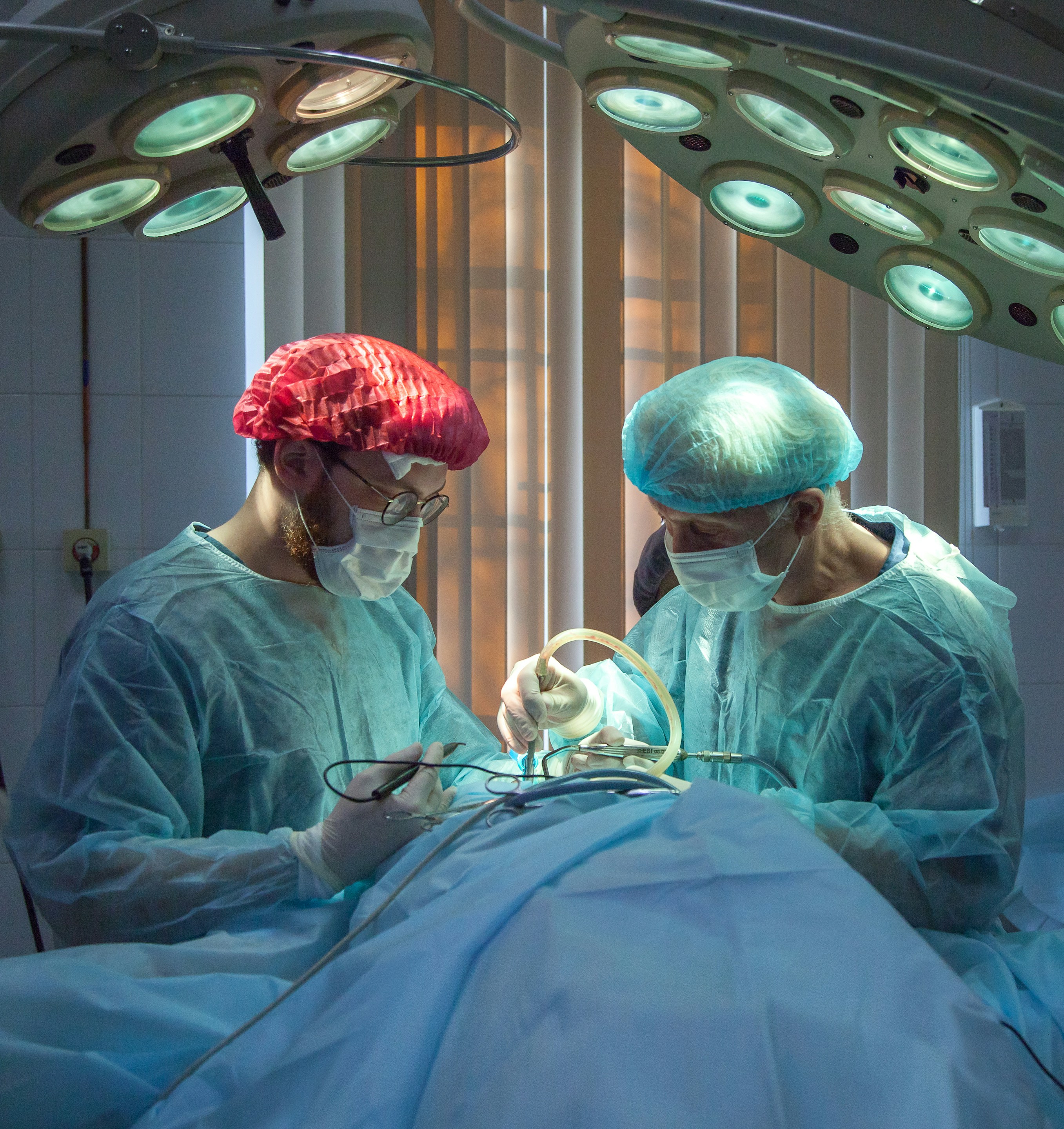
A surgical team performing a procedure in an operating room.
Computer-assisted surgery focuses on precision and planning, while traditional surgery relies more on manual expertise and visual judgment.
Traditional methods are effective, but they may have limitations in accuracy, especially in complex cases. CAS enhances the surgeon’s ability by providing real-time data and guidance. Compared to conventional approaches, CAS often results in:
- Better alignment
- Reduced tissue damage
- Improved recovery timelines
However, the success of any surgery still depends on the surgeon’s experience and the patient’s condition.
Final Thoughts
Computer-assisted surgery is not just an upgrade; it’s a shift toward smarter, safer, and more precise healthcare. Combining technology with surgical expertise, it helps deliver better outcomes and improves patient confidence.
As medical advancements continue, CAS is becoming a preferred choice for many complex procedures, especially in orthopedics. Early consultation and proper evaluation play a key role in deciding the right treatment approach.
For accurate diagnosis and advanced treatment options, patients can consult Dr. Mayank Chauhan in Noida. With a focus on precision-driven care, the goal is to reduce pain, restore movement, and help patients return to their normal lives with confidence.
Frequently Asked Questions (FAQs)
1. How does computer-assisted surgery improve accuracy?
It uses real-time imaging and navigation systems to guide surgeons with precise positioning during procedures.
2. Is computer-assisted surgery better than traditional surgery?
In many complex cases, it offers better precision, reduced errors, and improved recovery compared to traditional methods.
3. Does computer-assisted surgery reduce recovery time?
Yes, smaller incisions and minimal tissue damage often lead to faster healing and shorter hospital stays.
4. Who is a good candidate for computer-assisted surgery?
Patients with complex conditions, joint damage, or those needing precise surgical outcomes are ideal candidates.